
What do carpet ripples and buckles look like?
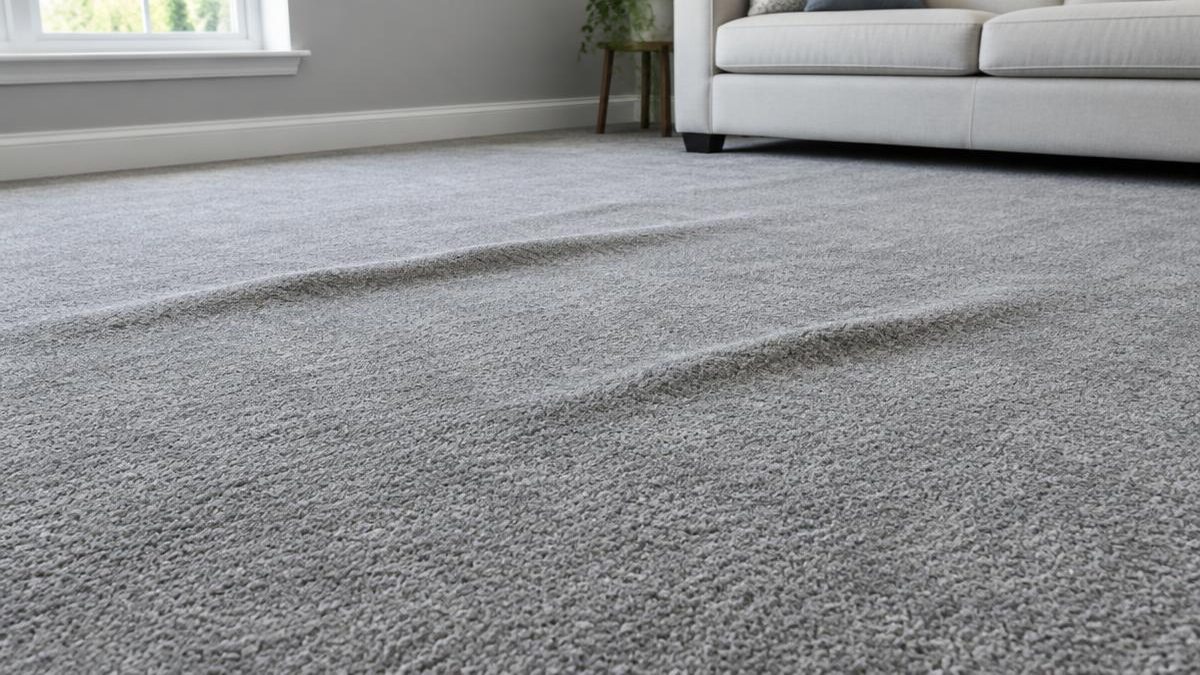
Ripples are raised waves or ridges in wall-to-wall carpet. A buckle may look like a longer fold across a walkway, while a bubble can resemble a localized hump. These are changes in the carpet's position or shape, not simply darker pile or a stain. Light from a window can make small ridges much easier to notice after a room has been cleared for cleaning.
Compare the floor from several angles. Brushing marks and pile shading change appearance without lifting the carpet; a genuine wrinkle rises above the surrounding surface. Do not pull an edge up to investigate. Tack strips can be sharp, and disturbing the installation may complicate the assessment. Photographs taken before and after cleaning are more useful than experimenting with the carpet.
Why might carpet ripple after professional cleaning?
Timing alone does not establish the cause. Carpet that appeared flat before cleaning may already have marginal tension, unsuitable cushion, or deterioration that becomes more noticeable afterward. Moisture and changing indoor conditions may also play a part. An inspection should consider all of these possibilities rather than assume every new ripple proves improper cleaning.
The Carpet and Rug Institute's carpet wrinkles bulletin emphasizes proper installation, acclimation, power stretching, and appropriate cushion. It explains that cold carpet can be difficult to stretch during installation and can relax as it warms. That installation guidance does not diagnose a particular post-cleaning wrinkle, but it shows why the carpet's history matters.
| Possible factor | What to discuss with a professional |
|---|---|
| Moisture or environmental change | When wrinkles appeared, drying progress, room conditions |
| Insufficient installation tension | Previous wrinkles, installation history, carpet attachment |
| Cushion or backing condition | Age, prior leaks, localized bubbles, existing deterioration |
| Furniture or room changes | Whether folds were previously hidden beneath furniture |
Can moisture and humidity cause a temporary change?
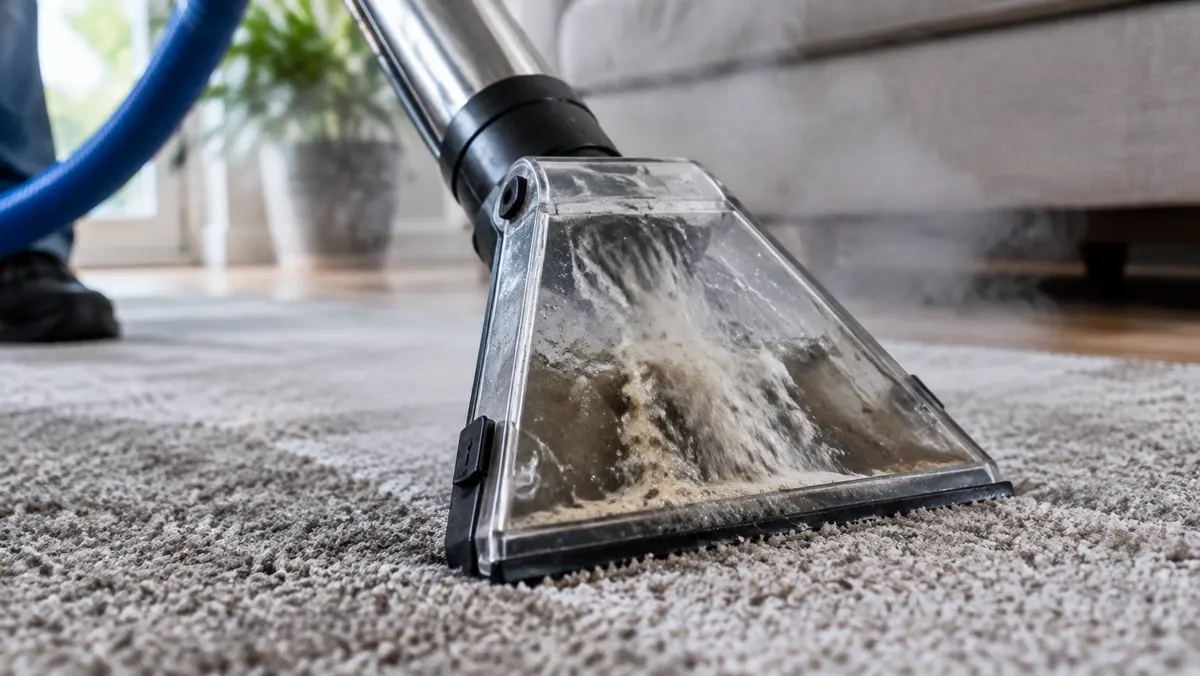
Carpet is a layered product, and its response to moisture depends on its construction and condition. Cleaning adds moisture that must be extracted and evaporated. A temporary change in dimensions or tension is one possible explanation when wrinkles appear during drying; it is not a universal explanation, and a homeowner cannot confirm it by appearance alone.
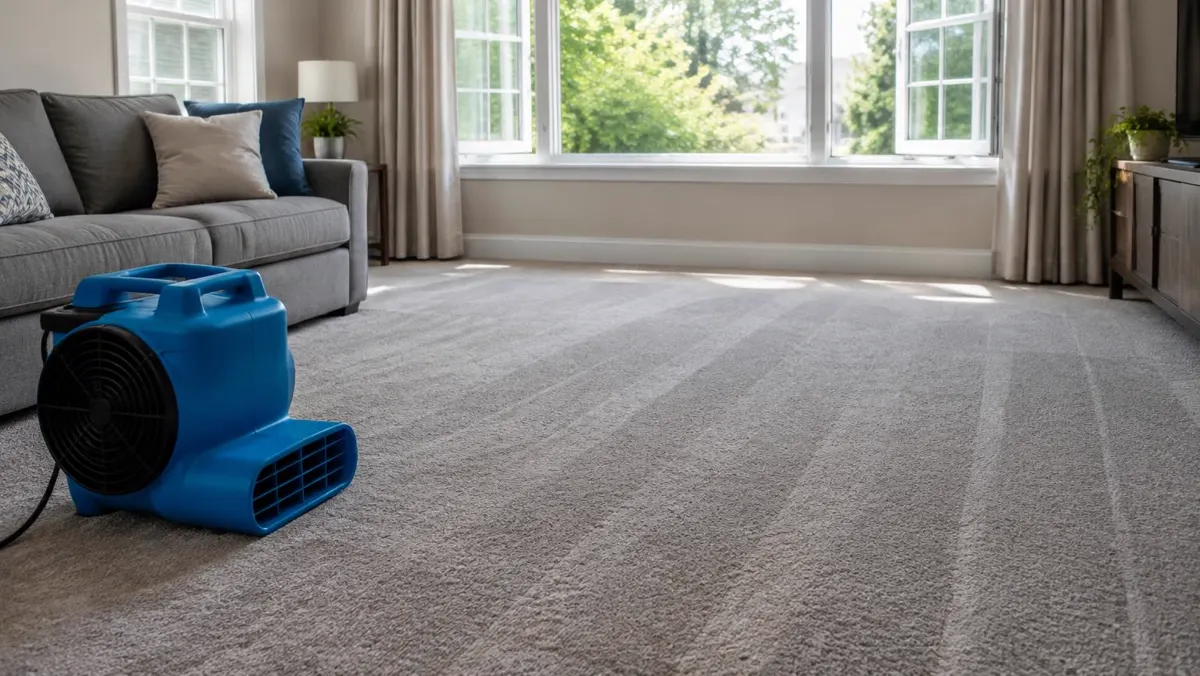
Some carpets may look flatter once fully dry. Others remain loose because drying does not correct installation tension or damaged backing. There is no dependable promise that a ripple will disappear in a fixed number of hours. Ask the cleaner about expected drying for your carpet and follow the manufacturer's care instructions. Use our carpet drying guide for the factors that affect drying, not as a deadline for wrinkle repair.
In San Diego County, a foggy coastal morning and a dry inland afternoon can offer very different ventilation conditions. Open windows only when outdoor conditions help drying; air conditioning, suitable ventilation, and fans may be more useful when the outdoor air is humid. The important observation is whether the carpet is steadily drying, not which season it is.
How do backing, cushion, and installation affect the outcome?
The visible pile is only part of the floor covering. Backing holds the carpet structure together, cushion supports it, and the installation keeps it tensioned and attached around the room. A wrinkle can therefore reflect a system problem even when the surface fibers look clean. Previous leaks, age, and an earlier repair are relevant details to share with the assessor.
CRI's restretching guidance calls for checking carpet condition, cushion wrinkles, tack-strip anchoring, and secondary-backing delamination before proceeding. Delamination means separation within the backing assembly; it is not something ordinary cleaning repairs. Likewise, a cushion problem may require attention below the carpet. These possibilities need professional inspection rather than a remote diagnosis.
A qualified installer can determine whether restretching is appropriate and whether adjoining spaces need attention. CRI specifies a power stretcher for that work; a knee kicker is not a substitute for proper stretching. This is installation work, separate from cleaning. SoCal Steam Clean is not being represented here as providing carpet stretching or installation repairs.
What should you do when ripples appear?
You do not need to wait until the carpet is dry before reporting a concern. Early communication allows the cleaner to review the visit and drying conditions while details are fresh. For renters and property managers, notify the responsible property contact before authorizing alterations to the carpet or installation.
- 1Notify the cleaning company promptly. Describe when the ripples appeared, where they are, and whether the area is still damp. Share photographs and any earlier images.
- 2Protect the area from trips. Limit traffic and keep children, pets, and people with mobility concerns away from pronounced folds. Do not hide a wrinkle under a rug.
- 3Follow the drying instructions you were given. Maintain safe airflow and avoid adding more water, spot chemicals, or concentrated heat to the affected area.
- 4Record whether the shape changes as drying progresses. Check from the same viewpoint; do not pull, trim, glue, or try to flatten the carpet with heavy furniture.
- 5If ripples remain after drying, ask about a qualified carpet installer or manufacturer assessment. Preserve invoices and product information for any warranty discussion.
When should you seek help rather than keep waiting?
Seek prompt advice if a buckle creates a walking hazard, the carpet pulls away at an edge, a bubble grows, or dampness is not improving. Persistent musty odor, nearby water staining, or evidence of a separate leak deserves a moisture investigation rather than a wait-and-see approach to wrinkles. A leak is not routine cleaning moisture; our water damage restoration page explains the relevant service.
If the carpet dries but remains rippled, another cleaning pass is not automatically the answer. The cleaner and a qualified installer may need to distinguish a temporary surface change from looseness or material damage. Do not accept a guaranteed cure without an explanation of what has been assessed. A product-specific warranty decision belongs with the relevant manufacturer or installer.
How can you reduce the likelihood of rippling?
Appropriate cleaning and moisture extraction support drying, but extraction cannot compensate for every installation or backing problem. Avoid treating the strongest machine or the fastest advertised drying time as a guarantee against wrinkles. Our hot-water extraction explanation describes the cleaning process and helps separate it from installation repair.
- Point out existing folds, loose edges, previous water damage, and any prior restretching before cleaning starts.
- Keep the carpet's installation and warranty information, including its manufacturer-approved cleaning requirements.
- Plan ventilation and drying before the appointment, and avoid moving heavy furniture across damp carpet.
- Address persistent installation looseness with a qualified installer rather than expecting cleaning to tighten carpet.
Discuss the next step with SoCal Steam Clean
Concerned about the condition of your carpet? Contact SoCal Steam Clean to discuss your cleaning needs and request an estimate. Explain any existing ripples before booking professional carpet cleaning in San Diego. You can also check our San Diego service-area page or request a quote. Cleaning advice and an installation assessment serve different purposes; persistent buckling may need a qualified installer.