
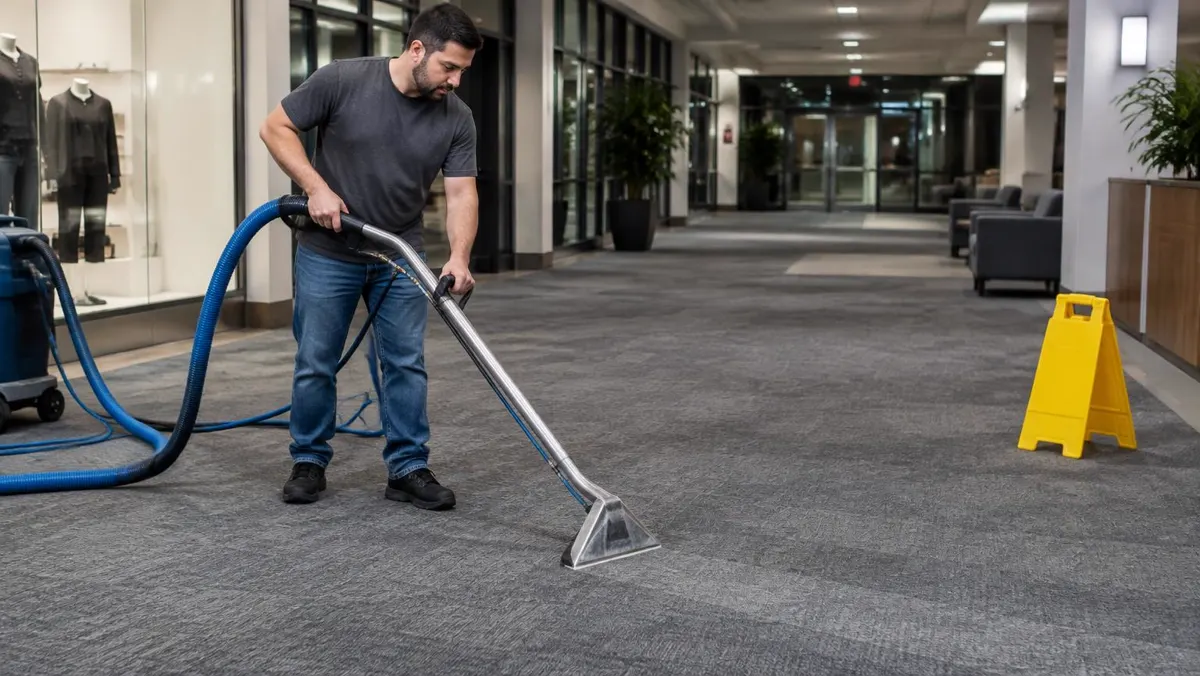
Interim vs. restorative cleaning
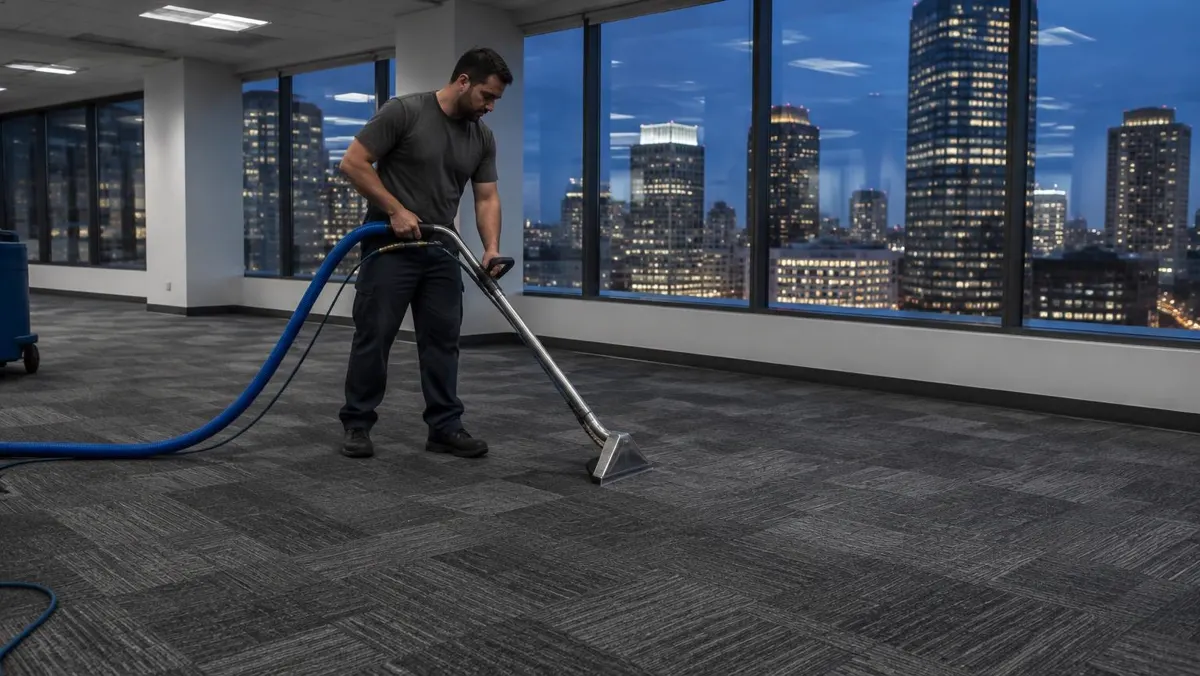
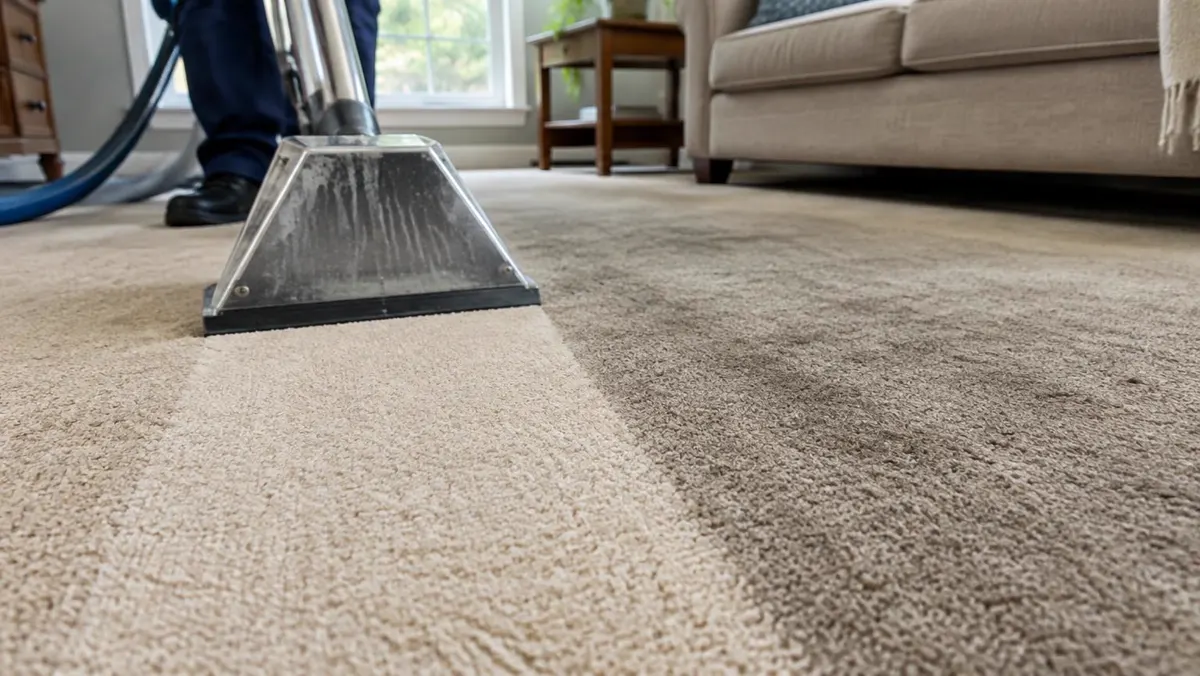
Interim cleaning maintains appearance between deep cleans. It's usually fast, low-moisture and minimally disruptive. Restorative cleaning removes embedded soil and residue that interim methods leave behind. Most commercial carpet benefits from both, scheduled by traffic level.
For planning by zone and building logistics, see our companion article on downtown San Diego commercial carpet cleaning. This article focuses on methods and budgeting.
Comparing common methods
| Method | How it works | Strengths | Trade-offs |
|---|---|---|---|
| Hot-water extraction | Rinse and extract with suction | Removes embedded soil and residue | Longer drying; more planning |
| Encapsulation | Polymer crystallizes soil for vacuuming | Fast, low moisture | Less effective on heavy embedded soil |
| Bonnet / pad cleaning | Rotary pad absorbs surface soil | Quick appearance boost | Can push soil down; surface only |
| Spot cleaning | Targeted treatment | Prevents permanent stains | Small areas only |
Matching frequency to traffic
The Carpet and Rug Institute's commercial cleaning and maintenance guidance recommends a routine of regular vacuuming, prompt spot cleaning, periodic professional deep cleaning and stopping soil at the door with matting.
- Heavy-traffic zones: daily vacuuming, frequent interim cleaning, more frequent restorative cleaning.
- Moderate zones: regular vacuuming, periodic interim and restorative cleaning.
- Light zones: routine vacuuming and less frequent deep cleaning.
Reducing operational disruption
- Schedule restorative cleaning after hours or on weekends.
- Clean in sections to keep part of the space open.
- Use interim methods during business hours where safe.
- Mark wet areas clearly and plan drying before opening.
Budgeting long-term upkeep
- 1Measure carpet by zone and estimate traffic levels.
- 2Set a yearly calendar for interim and restorative cleaning by zone.
- 3Include matting replacement and spot-response supplies.
- 4Review appearance quarterly and adjust frequency.
- 5Compare the cost of planned care with early carpet replacement.
Tip: A predictable schedule is usually easier to budget than reactive cleaning after carpet looks bad — and it protects the investment in the carpet itself.
Moisture and safety
Commercial carpet should dry before people return, especially carpet tile with sensitive seams. The EPA's mold and moisture guide notes wet materials should be dried within 24 to 48 hours to help prevent mold growth. Leaks and floods are water damage, not routine cleaning — our 24/7 water damage restoration team can help.
Working with SoCal Steam Clean
We clean carpet, upholstery and tile for businesses and property managers across San Diego County and are open 24 hours, 7 days a week. Visit our commercial cleaning page or request a quote with your square footage and schedule.