
Stain types and how they behave
| Category | Examples | Typical outlook |
|---|---|---|
| Water-based soil | Mud, tracked dirt | Usually improves well |
| Tannin | Coffee, tea, wine, juice | Often improves; can leave a shadow |
| Protein | Milk, blood, pet accidents | Avoid heat on fresh protein; often improves |
| Oil-based | Grease, makeup, lotion | Needs a solvent approach; can wick back |
| Synthetic dyes | Red drinks, ink, hair dye | May be partly or fully permanent |
| Color loss | Bleach, acne cream, sun | Permanent; not a stain |
Why the carpet fiber matters
Nylon is common and resilient but readily absorbs some dyes. Polyester resists water-based stains but can hold oils. Olefin (polypropylene) resists many stains but attracts oil. Wool is natural and sensitive to high alkalinity and heat. A good technician checks the fiber before choosing chemistry.
Learn more in our guide to carpet types in San Diego homes.
How a professional treats a stain
- 1Identify the stain and ask what has already been applied.
- 2Test the treatment on an inconspicuous area.
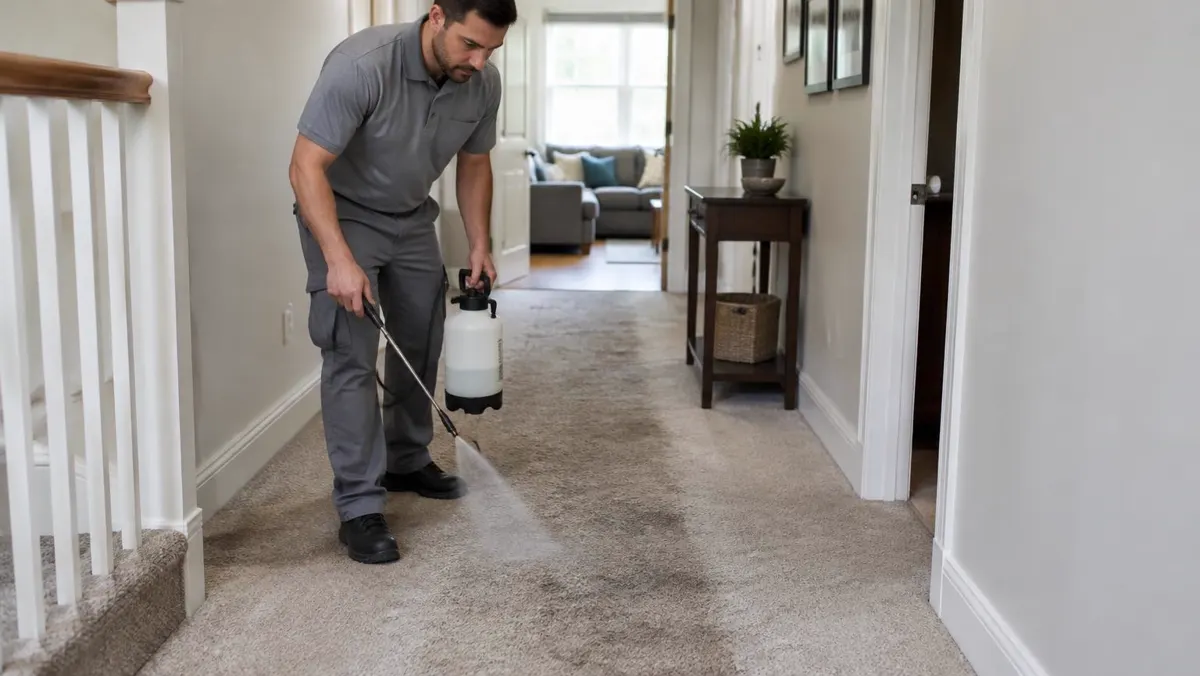
- 3Apply a stain-appropriate pre-treatment and allow dwell time.
- 4Gently agitate without fraying fibers.
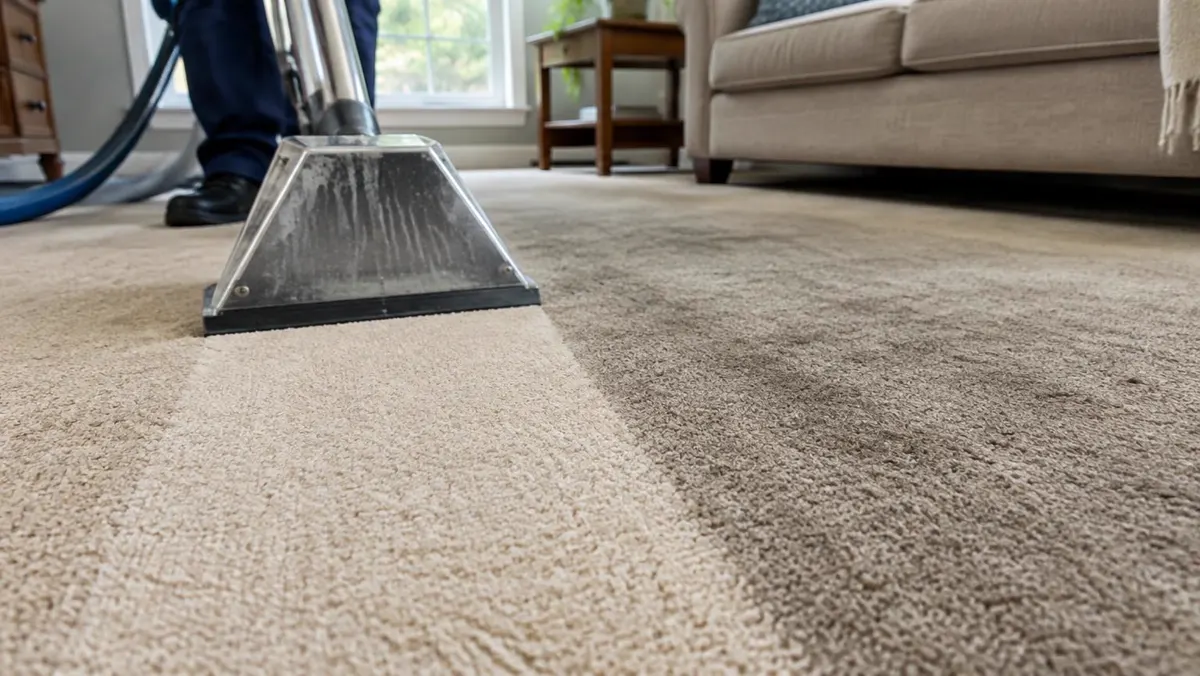
- 5Rinse and extract with hot-water extraction to remove residue.
- 6Reassess and repeat or try an alternative if appropriate.
Why stains come back (wicking and residue)
Wicking happens when a spill soaked into the backing or pad. As carpet dries, moisture carries the stain back up to the surface. Residue is the other culprit: soaps and many DIY spot cleaners leave sticky film that attracts new soil, so the spot reappears darker.
Thorough rinsing and extraction and good airflow during drying reduce both problems. CRI also advises blotting rather than rubbing and avoiding excess cleaner (CRI spot removal guidance).
Important: Avoid mixing household chemicals, and never combine bleach with ammonia or other cleaners.
What to do before the technician arrives
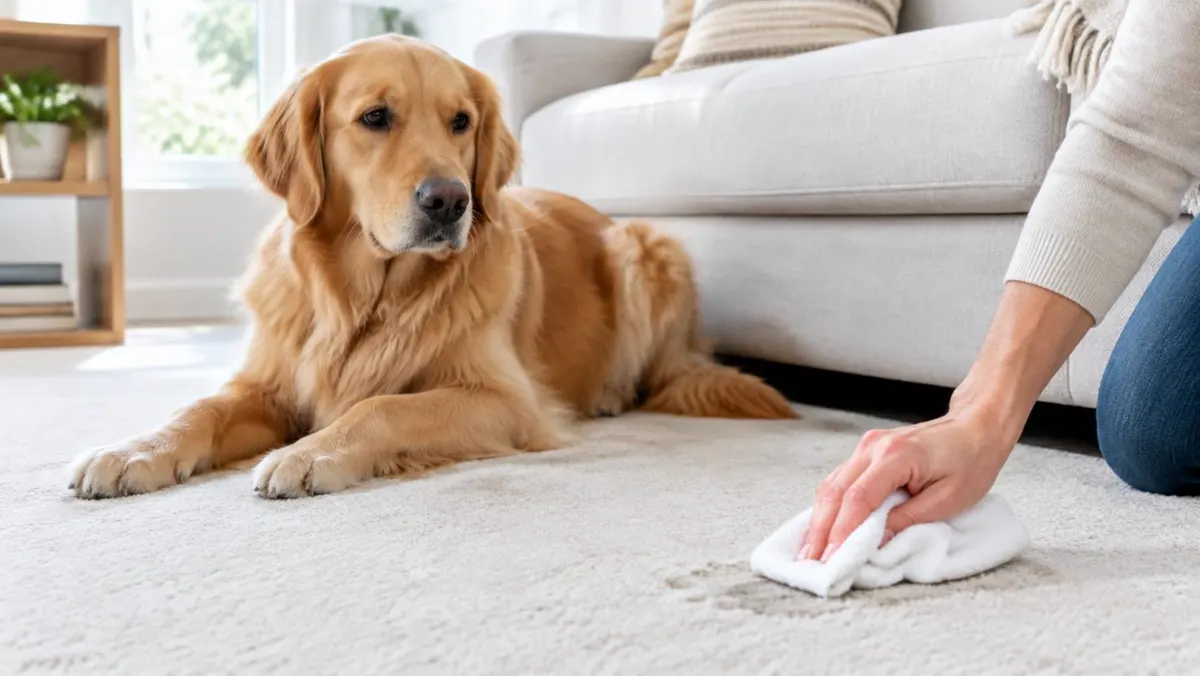
- Blot fresh spills with a white cloth; don't scrub.
- Scrape up solids with a spoon.
- Don't apply heat (hair dryers, irons) to unknown stains.
- Write down any products you tried.
Pet stains are a special case
Pet urine often reaches the padding, causing odor and wicking. Surface spotting alone rarely resolves it. Our exclusive pet treatment targets urine, odor, stain, bacteria, pet hair and dander and is quoted per room based on severity after assessment.
Questions to ask a carpet stain removal company
SoCal Steam Clean pairs targeted spotting with truck-mounted hot-water extraction. Visit our stain and spot removal service or carpet cleaning.
- Do you identify the fiber and stain type before treating?
- What products do you use, and are they CRI Seal of Approval certified?
- How do you rinse residue after spotting?
- Will you tell me upfront if a stain is likely permanent?