

Sand: the coastal carpet problem
Sand is hard and sharp at a microscopic level. When it's tracked onto carpet and walked on, it grinds against fibers like fine sandpaper. Over time that abrasion dulls the fiber surface, which is why carpet near patio doors and entries in beach-area homes can look worn even when it isn't dirty.
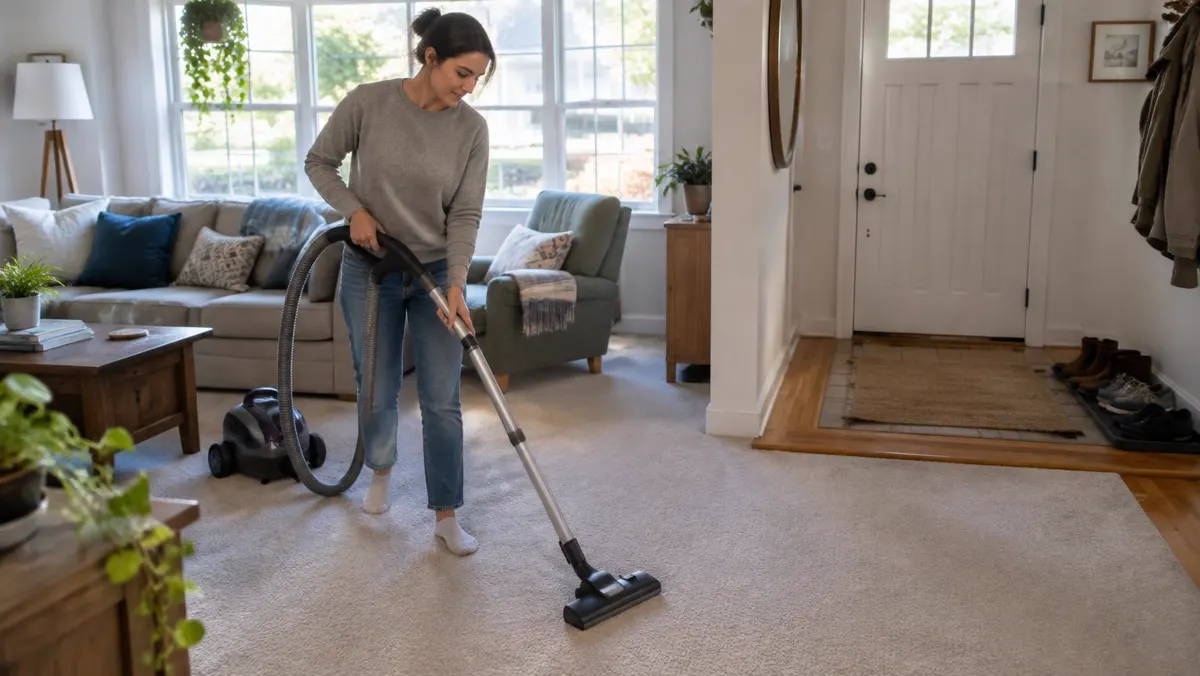
Vacuuming slowly and more often near entries removes sand before it settles deep. Mats outside and inside the door help a lot; the Carpet and Rug Institute lists stopping dirt at the door with mats and a shoes-off habit as one of its four steps for proper carpet care.
Inland dust and dry seasons
Further inland, homes deal more with fine, dry dust. It settles into carpet from open windows and HVAC systems and binds with skin oils and cooking residue to form the gray film that shows up in traffic lanes. Changing HVAC filters on schedule reduces how much reaches the floor.
Sun and fading
Large windows and sliding doors are common in San Diego homes. Strong sun can fade carpet dye, leaving lighter patches near windows. Fading is permanent — cleaning can't restore lost color — but blinds, sheers or UV window film slow it down. During a walk-through we'll point out fading so you know what cleaning can and can't change.
Coastal humidity and drying
Homes near the coast often have higher humidity, especially on foggy mornings. Damp carpet dries more slowly in humid air. Running air conditioning or fans after cleaning, and opening windows on dry days, help moisture leave the carpet faster.
Humidity also explains why pet urine odor can seem worse on muggy days: moisture reactivates residue in the padding. Our odor removal service focuses on finding that source.
Rentals, condos and turnover
San Diego has many rentals, condos and short-term stays. Carpet in these properties sees more varied use and often needs cleaning between occupants. For property managers, scheduling cleaning soon after move-out gives the carpet time to dry before the next resident moves in. See our commercial and property manager services.
How local conditions change cleaning frequency
| Household situation | What to watch | Planning tip |
|---|---|---|
| Near the beach | Sand at entries, worn traffic paths | Vacuum entries often; consider a shorter cleaning interval |
| Inland valley | Fine dust and gray traffic lanes | Change HVAC filters; clean every 12–18 months |
| Pets | Hair, dander, accidents | Treat accidents same day; ask about pet treatment |
| Rental or condo | Turnover and varied use | Clean between occupants |
| Large sunny windows | Fading | Use blinds or sheers; fading can't be cleaned out |
What professional cleaning adds
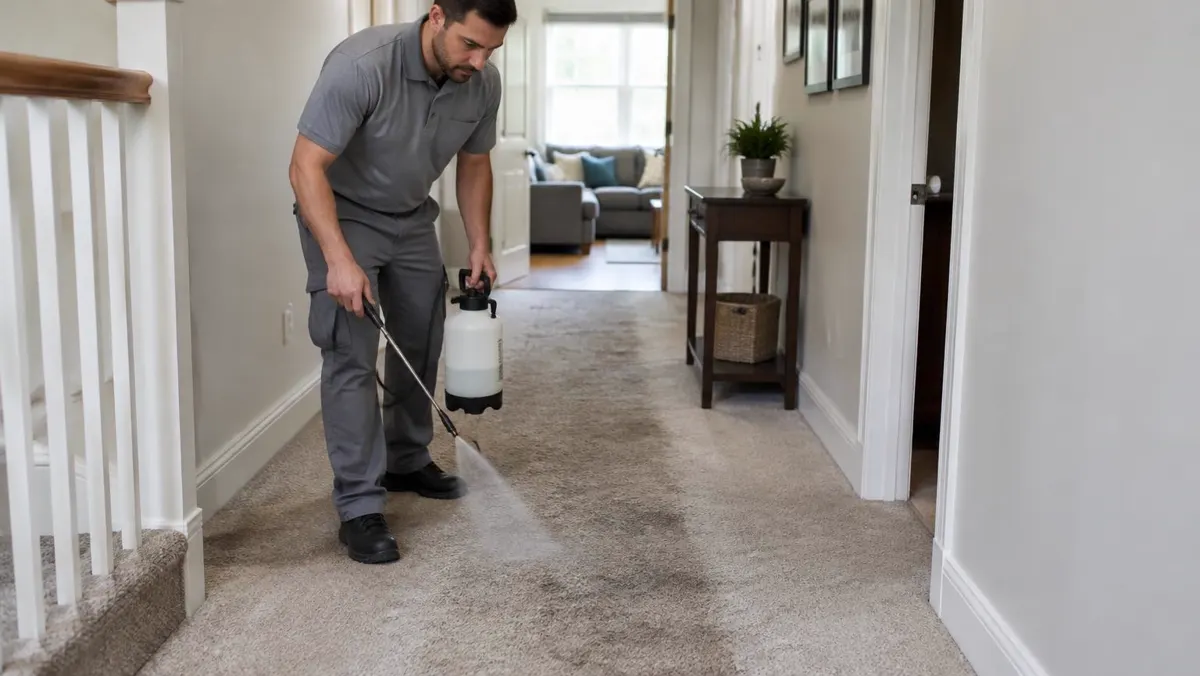
Daily habits handle loose soil. Professional hot-water extraction removes what vacuuming leaves behind: oily soil, residue and fine particles bound to fibers. SoCal Steam Clean pre-treats traffic lanes and spots, then rinses with truckmount extraction and CRI Certified residue-free products where appropriate.
Learn more about carpet cleaning in San Diego, or build a quote with photos of your rooms.
A note on indoor air
Carpet can hold dust that would otherwise stay in the air, and removing that soil is part of good housekeeping. The EPA's introduction to indoor air quality explains the many sources that affect air at home. Carpet cleaning is one housekeeping step among many — it isn't a medical treatment, and we don't claim it prevents illness.