
The main indoor triggers
The EPA lists dust mites, pets, mold and pests among common asthma triggers, and the Asthma and Allergy Foundation of America explains indoor allergens.
| Trigger | Where it collects | Household steps |
|---|---|---|
| Dust mites | Bedding, upholstery, carpet | Wash bedding hot, vacuum, control humidity |
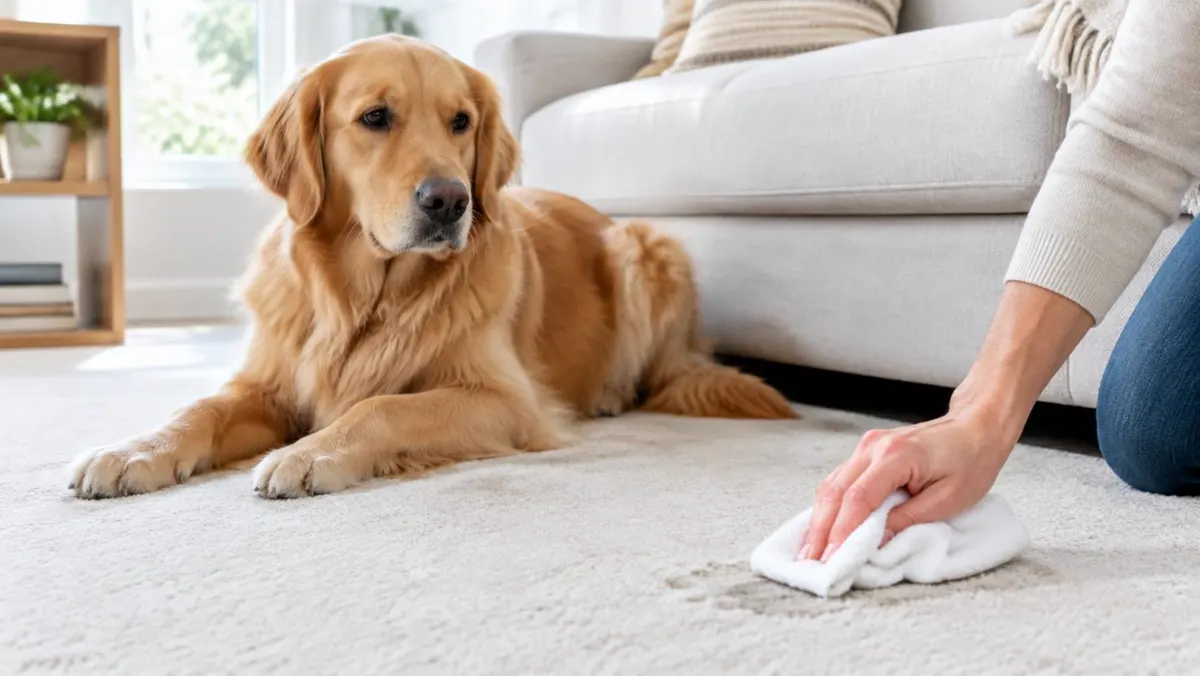
| Pet dander | Carpet, furniture, air | Vacuum often, bathe/groom pets, keep pets off beds |
| Mold | Damp areas, bathrooms, leaks | Fix moisture, ventilate, dry wet items within 24–48 hours |
| Pollen | Tracked in on shoes and clothes | Shoes off, close windows on high-pollen days |
| Cockroach allergens | Kitchens, under appliances | Store food sealed, fix leaks, pest control |
Carpet: sink and source
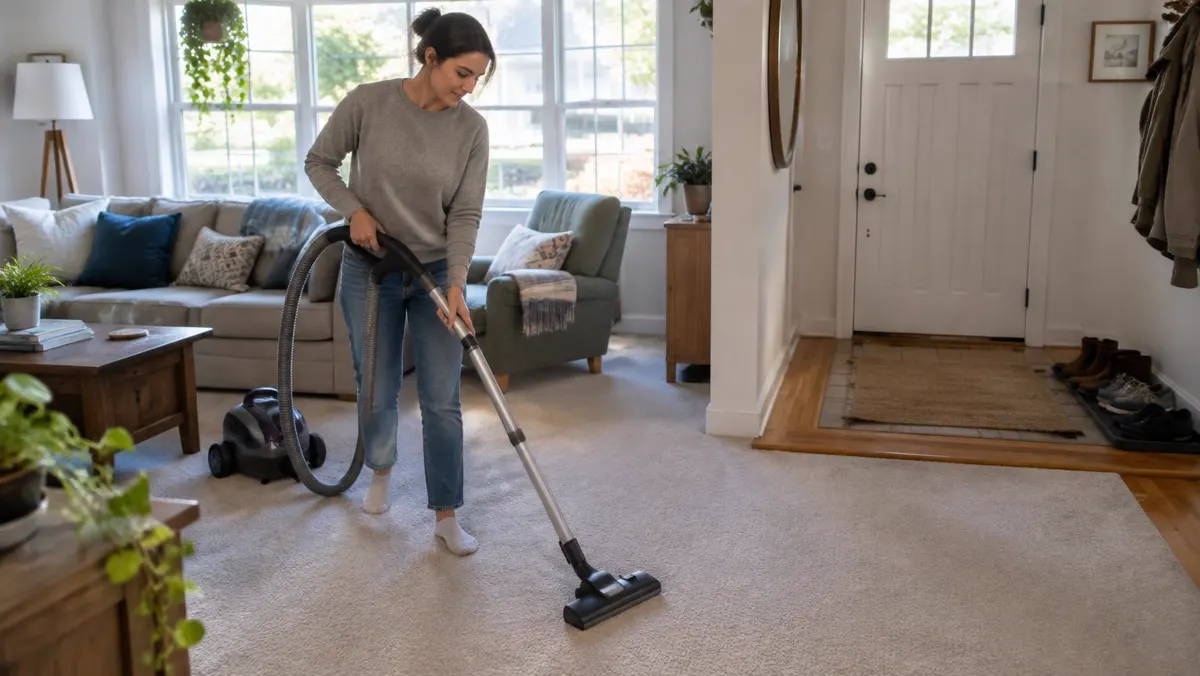
Carpet traps dust and allergens that would otherwise stay airborne, which can be helpful — until it's full. Vacuuming removes loose particles; periodic hot-water extraction removes more of what's embedded. Neither eliminates allergens completely.
- Vacuum high-traffic areas several times a week with a well-sealed, filtered vacuum.
- Clean carpet professionally every 6–12 months in allergy-sensitive homes.
- Don't forget upholstery and area rugs.
Humidity and ventilation
Dust mites and mold both thrive in humidity. Exhaust fans, AC and dehumidifiers help keep indoor humidity moderate. The EPA's indoor air quality overview covers ventilation and source control.
How we can help
We use truck-mounted hot-water extraction with CRI-certified, residue-free products. See carpet cleaning and upholstery cleaning. If you notice a musty odor, read why a house smells musty.
Important: We can't make medical claims. If symptoms are severe or persistent, see a healthcare professional.