
Common causes
| Cause | Where to look |
|---|---|
| Slow plumbing leaks | Under sinks, behind toilets, around water heater |
| High humidity | Bathrooms, laundry, coastal homes |
| Damp carpet or pad | Near sliding doors, past spills or leaks |
| Closed-up rooms | Guest rooms, closets, garages |
| HVAC condensation | Air handler, drip pan, ducts |
| Old pet urine | Corners and along walls |
Room-by-room checklist
- 1Kitchen and baths: open cabinets under sinks, check for drips and swelling.
- 2Laundry: look behind the washer and at hose connections.
- 3Bedrooms and closets: smell carpet corners along exterior walls.
- 4Near doors and windows: check for water intrusion after rain.
- 5HVAC: check the drip pan and filter.
Why moisture matters
The EPA notes that controlling moisture is the key to controlling mold, and that wet materials should be dried within 24–48 hours (EPA). A musty smell doesn't always mean mold, but it's a reason to look.
The EPA also describes general steps for better indoor air quality: source control, ventilation and air cleaning.
What you can do
- Fix leaks promptly.
- Keep indoor humidity moderate with exhaust fans, AC or a dehumidifier.
- Air out closed rooms regularly.
- Don't put rugs or furniture back on damp carpet.
When carpet is the source
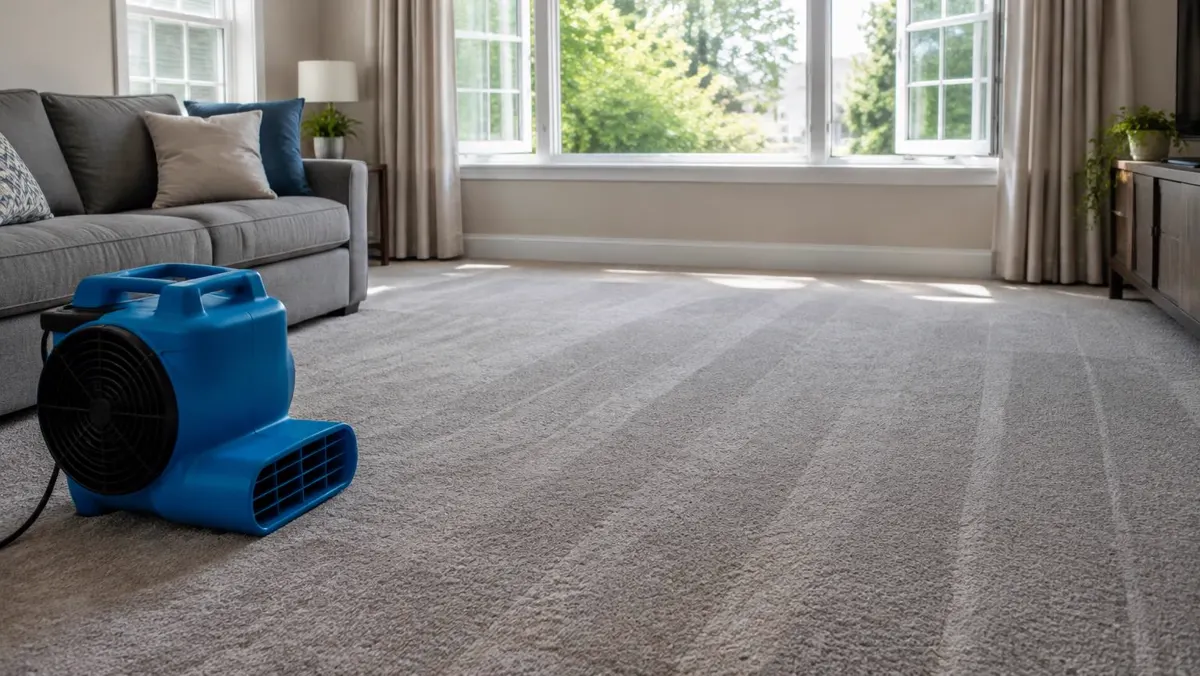
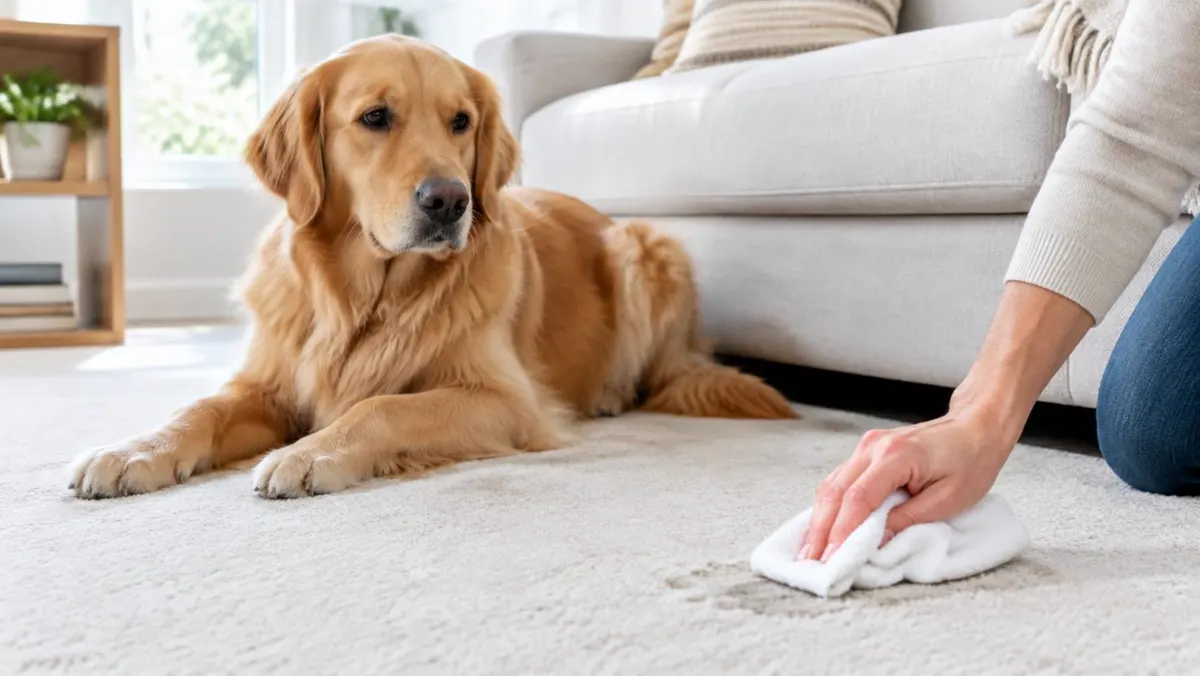
If the smell is strongest at carpet level, the pad may be damp from a past leak or pet urine. Cleaning can address soil and many odors, but ongoing moisture must be fixed first. For carpet odors, see our odor removal service. For wet materials, see water damage restoration.
Important: If you see visible mold growth or anyone in the home has respiratory issues, consult a qualified professional rather than disturbing it yourself.