Why “green” claims are hard to judge
Terms like “eco-friendly,” “natural” and “non-toxic” have no single legal definition for carpet cleaning. The FTC's Green Guides warn marketers against broad, unqualified environmental claims and expect specific, substantiated statements (FTC environmental claims). As a consumer, that means you should ask for specifics.
What actually makes cleaning more responsible
| Factor | Why it matters | What to ask |
|---|---|---|
| Product ingredients | Some cleaners contain harsh solvents or fragrances | Which products, and can I see labels or SDS? |
| Certifications | Third-party testing beats self-description | Are products CRI- or Safer Choice-certified? |
| Residue | Leftover chemistry attracts soil, prompting re-cleaning | How do you rinse after pre-treating? |
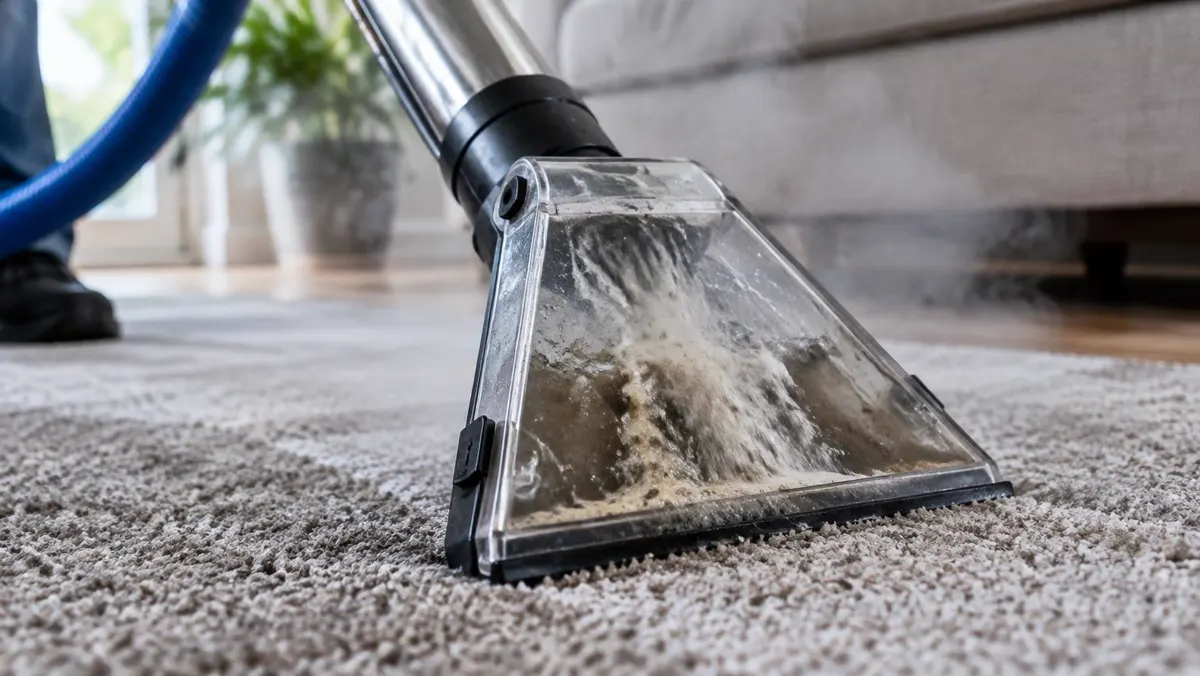
| Extraction | Strong suction removes water and soil, aiding drying | What equipment do you use? |
| Frequency | Carpet that lasts longer is replaced less often | How can I extend carpet life? |
Certifications worth knowing
Trade-offs to understand
Less water isn't automatically greener: low-moisture methods use less water, but they may leave compound in the pile and require more frequent cleaning. Hot-water extraction uses more water, but removes it along with soil and rinses residue. The most responsible choice depends on the carpet and how it's maintained.
Compare methods in our eco-friendly vs traditional cleaning guide.
Pets, kids and sensitive households
- Ask whether products are fragrance-free or lightly scented.
- Keep children and pets off carpet until it's dry.
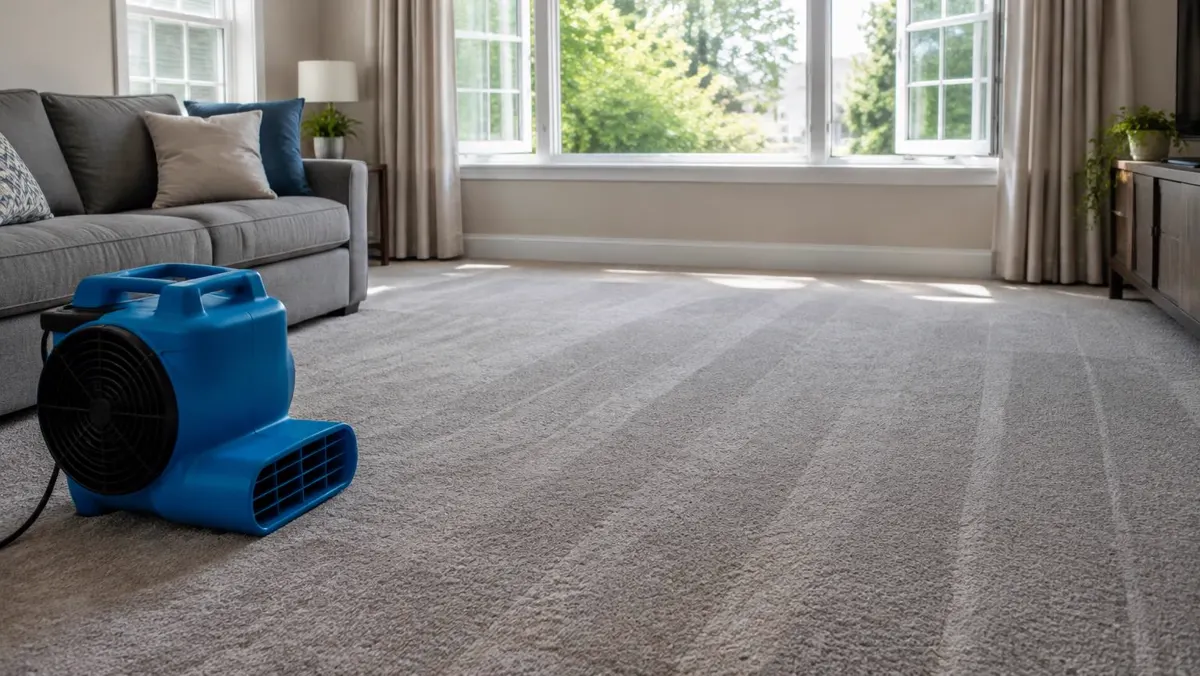
- Ventilate rooms during and after cleaning.
- Mention allergies or sensitivities when you book.
How SoCal Steam Clean approaches it
We use CRI-certified, residue-free products with truck-mounted hot-water extraction, which rinses and removes solution and soil. Our IICRC-certified technicians can share product information on request. Learn more about eco-friendly steam cleaning or our carpet cleaning service.